

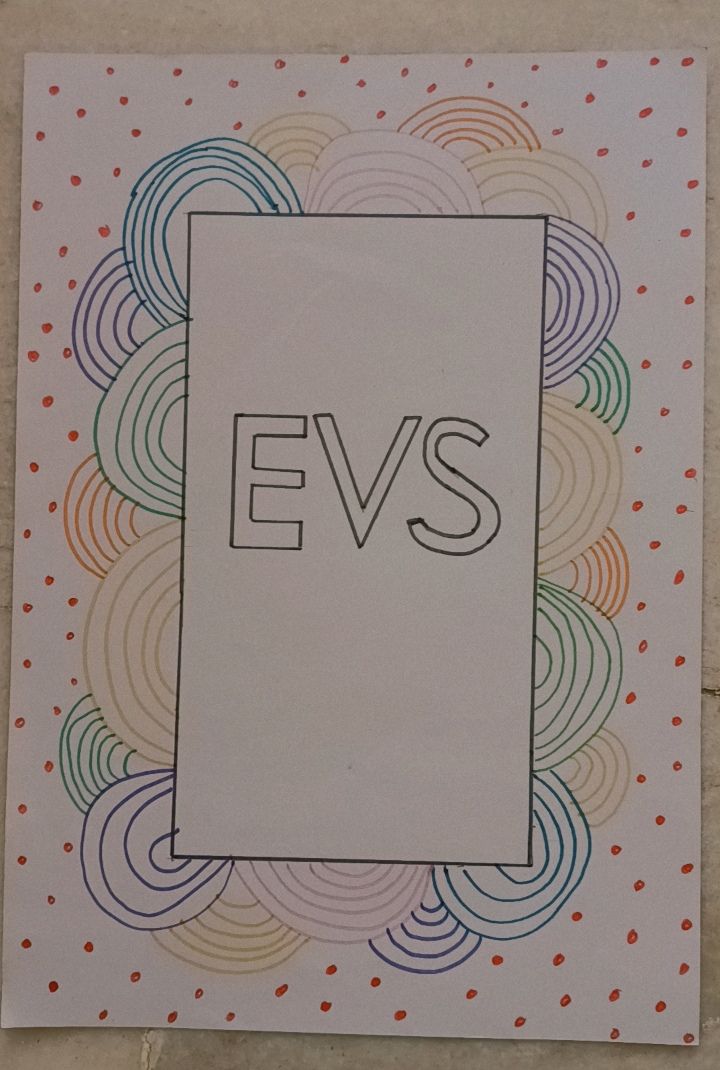
Environmental Studies (EVS) is more than just a subject—it’s a way of documenting our relationship with the world around us. A well-organized EVS notebook image becomes a personalised encyclopedia of nature, science, and social awareness.
Why a Well-Maintained EVS Notebook image Matters
An EVS notebook image serves multiple purposes:
- Documentation: Records observations, experiments, and findings
- Reflection: Encourages critical thinking about environmental issues
- Creativity: Allows artistic expression through diagrams and illustrations
- Reference: Creates a study resource for exams and projects
Essential Sections of an EVS Notebook image
1. Cover Page Design
(Imagine a vibrant cover with:)
- Your name, class, and school
- Thematic drawings (trees, animals, renewable energy symbols)
- EVS-related quotes (“The Earth is what we all have in common”)
- Lamination or clear cover for protection
2. Index/Table of Contents
Create a running index where you list:
- Page numbers
- Chapter titles
- Important practicals/projects
- Field trip reports
3. Chapter Organization
For Each Chapter Include:
text
[IMAGE DESCRIPTION: A sample EVS notebook page layout]
Left Page:
- Chapter title in decorative letters
- Learning objectives box
- Key terms with definitions
- Neat handwritten notes with underlined headings

Right Page:
- Colored diagrams with labels
- Related newspaper clippings or printed images
- Mind maps or flow charts
- Personal observations section
4. Visual Elements That Enhance Learning
A. Hand-Drawn Diagrams:
- Plant parts (root, stem, leaves, flowers)
- Water cycle
- Food chains and webs
- Solar system
- Types of pollution sources
B. Charts and Graphs:
- Temperature variations
- Rainfall data
- Waste management statistics
- Population growth charts
C. Collage Sections:
- Pictures of local flora and fauna
- Different types of leaves
- Rocks and minerals
- Renewable energy sources
5. Practical Work Section
Field Observations:
text
Date: [Date of observation]
Location: [Park/Garden/Water body]
Weather: [Sunny/Rainy/etc.]
Observations:
1. Types of birds seen: [List]
2. Plants identified: [List]
3. Human impact noticed: [Litter/Conservation efforts]
4. Sketches: [Quick drawings]
Experiments:
- Seed germination process
- Water filtration methods
- Composting stages
- Air pollution indicators
6. Creative Pages
Eco-Tips Section:
- Ways to save water
- Reduce-reuse-recycle ideas
- Energy conservation methods
- Sustainable living practices
Current Events:
- Newspaper cuttings about environmental issues
- Climate change articles
- Wildlife conservation news
- Local environmental initiatives
7. Project Work Documentation
Sample Project Layout:
- Title Page: Project name, your details
- Introduction: Why you chose this topic
- Methodology: How you researched/experimented
- Findings: What you discovered
- Conclusion: What you learned
- Bibliography: Sources/references
- Acknowledgments: Who helped you
Materials Needed for an Excellent EVS Notebook
Basic Supplies:
- A4-sized notebook (200+ pages)
- Color pens (blue, black, red, green)
- Pencil, eraser, sharpener
- Scale/ruler
- Glue stick
Advanced Supplies (Optional):
- Watercolor pencils
- Stencils for shapes
- Highlighters
- Washi tape for borders
- Small envelopes for storing samples
Digital EVS Notebook Option
For tech-savvy students, consider creating a digital EVS notebook using:
- Canva or Google Slides for layouts
- Digital drawing apps for diagrams
- Photos from nature walks
- Video links to document experiments
- Audio recordings of bird sounds or interviews
Pro Tips for EVS Notebook Excellence
- Regular Updates: Add to your notebook frequently, not just before exams
- Color Coding: Use consistent colors for headings, subheadings, and important points
- White Space: Don’t overcrowd pages—leave margins for additions
- Handwriting: Practice neat, legible writing
- Protection: Use plastic covers to prevent damage
- Review: Regularly go through old entries to see learning progression
Assessment-Ready Features
Teachers typically look for:
- Completeness of information
- Neatness and organization
- Originality in presentations
- Accuracy in diagrams and labels
- Evidence of understanding (summaries in own words)
- Connection to real-world examples
Sample Page Images (Conceptual Descriptions)
Page 1 – Water Cycle:
A beautifully drawn water cycle diagram with evaporation, condensation, precipitation, and collection labeled. Arrows show movement. Colored with blue for water, white for clouds, yellow for sun.
Page 2 – Types of Pollution:
A four-quadrant page showing air, water, land, and noise pollution with examples of each. Small drawings of factories, littered parks, noisy construction sites, and polluted rivers.
Page 3 – Local Trees:
Leaf rubbings of different trees with labels identifying each. Notes about where each tree was found and its seasonal changes.
Making Your EVS Notebook Unique
- Personal Touch: Include your own photos from nature walks
- Local Focus: Document environmental issues in your neighborhood
- Seasonal Updates: Create pages for each season’s observations
- Interview Pages: Include conversations with grandparents about environmental changes
- Action Plans: Create pages showing how you’re implementing eco-friendly practices
Conclusion
An EVS notebook is more than an academic requirement—it’s a growing document of your environmental consciousness. The care you put into creating it reflects your engagement with the subject matter. Whether you prefer artistic flourishes or scientific precision, your EVS notebook should ultimately serve as a true record of your learning journey in understanding and appreciating our environment.
Remember: The most beautiful EVS notebooks aren’t necessarily the most artistic ones, but those that show genuine curiosity, careful observation, and growing awareness of our interconnected world.



 is more than just a subject—it's a way of documenting our relationship with the world around us. A well-organized EVS notebook image)