

Introduction
An Assistant Revenue Officer (ARO) plays a vital role in government departments, municipal authorities, tax agencies, and large organizations by assisting in the administration, collection, and management of revenue. These professionals help ensure that taxes, fees, and other government revenues are collected accurately and efficiently while maintaining compliance with applicable laws and regulations.
As governments continue to modernize their financial systems and improve public services, the demand for skilled Assistant Revenue Officers remains steady. This career offers job stability, professional growth, and the opportunity to contribute to the effective management of public resources.
In this comprehensive guide, we’ll explore the duties, qualifications, required skills, salary expectations, career prospects, and preparation tips for aspiring Assistant Revenue Officers.
What Is an Assistant Revenue Officer?
An Assistant Revenue Officer is a public administration professional responsible for supporting revenue collection, maintaining financial records, assisting taxpayers, verifying documentation, and ensuring compliance with revenue-related laws and policies.
Depending on the organization, an Assistant Revenue Officer may work in:
- Tax departments
- Municipal corporations
- Land revenue offices
- Customs departments
- Finance ministries
- Local government offices
- Public sector organizations
Their primary objective is to assist in managing revenue operations while ensuring transparency and accountability.
Key Responsibilities of an Assistant Revenue Officer
The daily responsibilities of an Assistant Revenue Officer vary depending on the department, but generally include:
Revenue Collection
- Assist in collecting taxes, duties, and government fees.
- Monitor outstanding payments.
- Prepare collection reports.
Record Management
- Maintain accurate financial and revenue records.
- Update taxpayer information.
- Organize official documentation.
Taxpayer Assistance
- Respond to public inquiries.
- Explain tax procedures and regulations.
- Guide citizens through payment processes.
Compliance Monitoring
- Verify submitted documents.
- Identify discrepancies.
- Support revenue audits and inspections.
Administrative Support
- Prepare official correspondence.
- Generate statistical reports.
- Coordinate with senior revenue officers.
Essential Skills Required
Successful Assistant Revenue Officers possess a combination of technical knowledge and interpersonal skills.
Communication Skills
Clear communication is essential when explaining regulations, assisting taxpayers, and preparing official reports.
Analytical Thinking
Revenue officers must review financial records, identify inconsistencies, and analyze data accurately.
Attention to Detail
Even small errors in tax records or financial documentation can have significant consequences.
Computer Proficiency
Knowledge of office software, accounting systems, and digital record management is increasingly important.
Problem-Solving Skills
Revenue officers frequently resolve disputes, clarify payment issues, and address administrative challenges.
Integrity and Ethics
Handling sensitive financial information requires honesty, confidentiality, and professionalism.
Educational Qualifications
Requirements vary by country and employer, but common qualifications include:
- Bachelor’s degree in Commerce
- Bachelor’s degree in Accounting
- Bachelor’s degree in Finance
- Bachelor’s degree in Economics
- Bachelor’s degree in Business Administration
- Public Administration degree
Some government positions may also require applicants to pass competitive examinations or recruitment tests.
Salary Expectations
Assistant Revenue Officer salaries depend on:
- Country
- Government pay scale
- Experience
- Department
- Educational qualifications
Additional benefits may include:
- Health insurance
- Pension plans
- Paid leave
- Housing allowances
- Performance bonuses
- Professional training opportunities
Government positions often provide excellent long-term job security and retirement benefits.
Work Environment
Assistant Revenue Officers typically work in:
- Government offices
- Revenue departments
- Municipal offices
- Tax collection centers
- Administrative headquarters
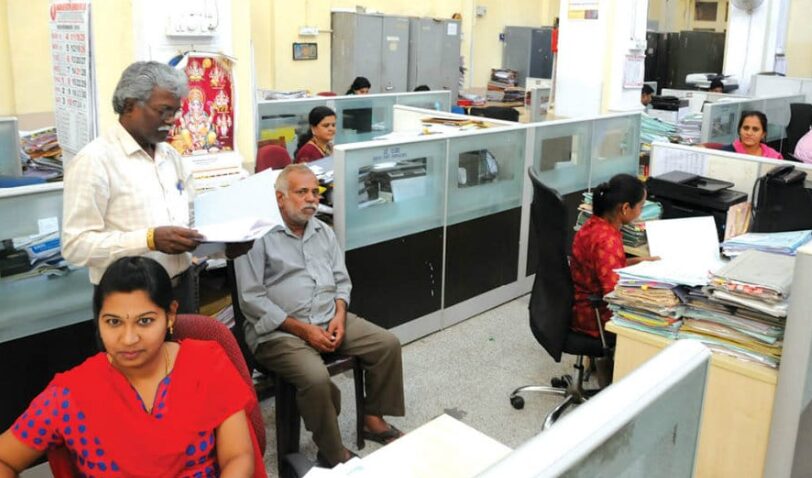
Their work primarily involves office-based tasks, though some roles may require field visits for inspections or property assessments.
Career Growth Opportunities
An Assistant Revenue Officer position provides a strong foundation for career advancement.
Potential promotions include:
- Revenue Officer
- Senior Revenue Officer
- Tax Inspector
- Revenue Inspector
- Assistant Commissioner
- Finance Officer
- Administrative Officer
With experience, additional qualifications, and strong performance, professionals can move into leadership positions.
Common Duties During Tax Season
During busy tax periods, Assistant Revenue Officers may:
- Process tax returns
- Verify taxpayer records
- Answer public inquiries
- Resolve payment disputes
- Update revenue databases
- Assist audit teams
Strong organizational skills become especially important during these high-volume periods.
Challenges of the Role
Although rewarding, the role comes with responsibilities such as:
- Managing large volumes of records
- Meeting strict deadlines
- Handling complex regulations
- Responding to public concerns
- Maintaining accuracy under pressure
Professionals who remain organized and detail-oriented typically perform well in this role.
Tips for Becoming a Successful Assistant Revenue Officer
To build a successful career:
- Develop strong accounting and finance knowledge.
- Improve computer and spreadsheet skills.
- Stay updated on tax regulations.
- Practice effective communication.
- Strengthen analytical abilities.
- Prepare thoroughly for government recruitment examinations.
- Maintain professionalism and ethical standards.
Continuous learning can significantly improve career prospects.
Future Demand
Governments around the world continue investing in digital tax systems, electronic record management, and transparent financial administration. As a result, Assistant Revenue Officers with digital skills, analytical expertise, and knowledge of modern revenue systems will remain valuable professionals.
Growing adoption of e-governance also creates opportunities for officers who can adapt to evolving technologies while ensuring accurate revenue administration.
Conclusion
The position of Assistant Revenue Officer is an excellent career choice for individuals interested in public administration, finance, taxation, and government service. It combines administrative responsibility, financial management, and public interaction while offering long-term career stability and opportunities for advancement.
By developing strong analytical, communication, and organizational skills, aspiring Assistant Revenue Officers can build rewarding careers that contribute to efficient public revenue management and the effective delivery of government services. Whether you’re a recent graduate or preparing for a competitive recruitment examination, this profession offers a meaningful path toward a secure and respected career.



 plays a vital role in government departments, municipal authorities, tax agencies, and large organizations)